A 30-minute home inventory for Los Angeles renters and homeowners
A room-by-room video, a few close photos, and off-site copies can make belongings easier to describe and help you review whether policy limits still fit.
Key takeaways
Photograph or video every room, including closets and storage areas, before a loss makes the details hard to remember.
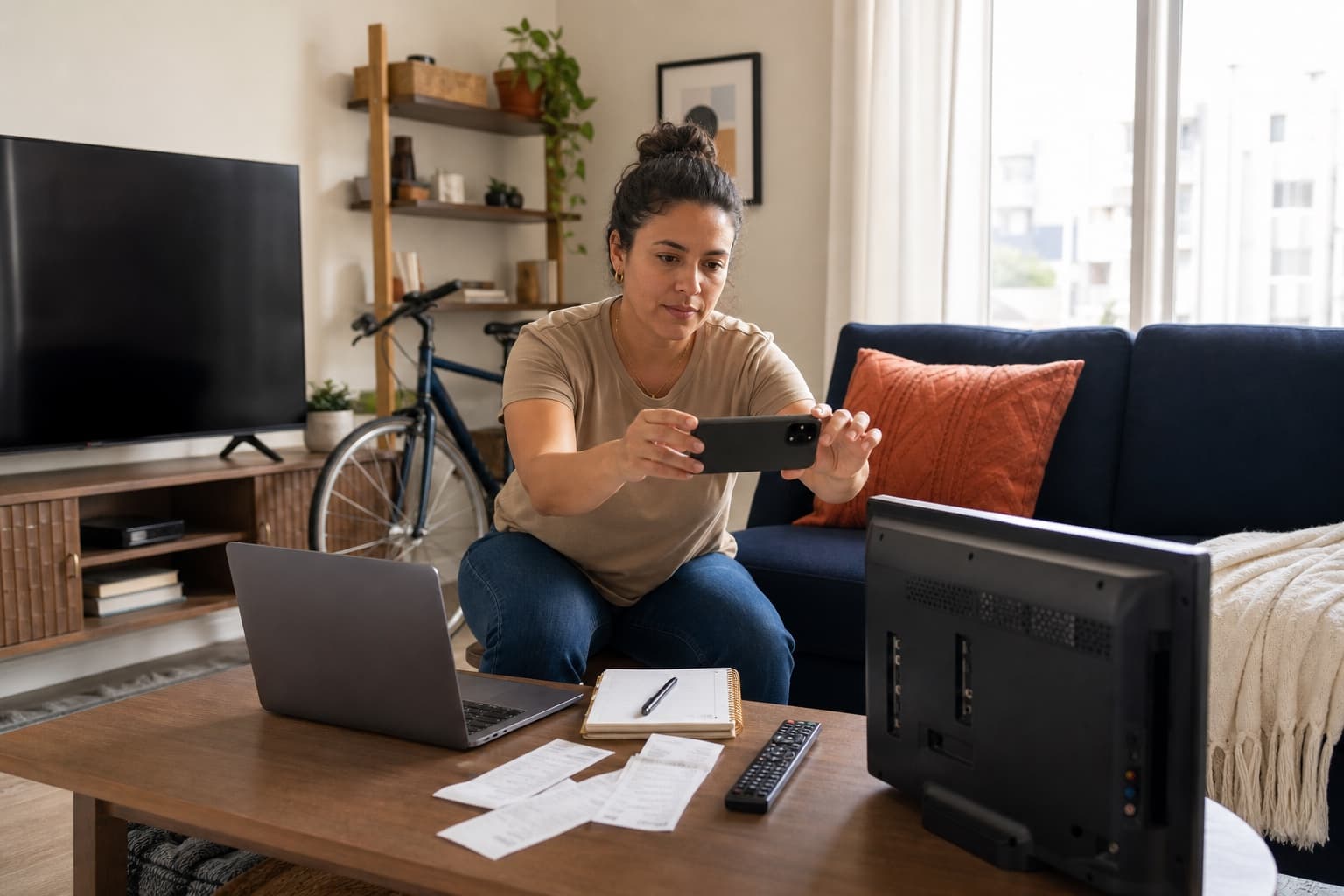
Capture receipts, model or serial numbers, and close views of valuable items, then keep a copy away from the home.
Use the inventory to discuss personal-property limits and special limits for jewelry, collectibles, business property, and other valuables.
Start with one continuous room-by-room video
The California Department of Insurance recommends documenting belongings before a disaster and notes that photos and video are useful when an item is difficult to describe or a receipt is unavailable. Open closets and drawers, move slowly, and say what important items are.
Do not wait for a perfect spreadsheet. A current wide video is more useful than an elaborate inventory that never gets started.
Add detail where it changes the value
Take close photos of electronics, appliances, bicycles, jewelry, tools, collectibles, and business equipment. Record model and serial numbers where available, and connect larger purchases to receipts or order confirmations.
The Department's residential guide warns that policies can have special limits for property such as jewelry, firearms, fine art, computers, silverware, money, antiques, collectibles, and business property. An inventory helps make that review specific.
- Wide photo or video of every room and storage area.
- Close photo, make, model, serial number, and approximate purchase date for major items.
- Receipts, appraisals, or order confirmations for valuable property.
- Notes about items used for a home business or stored away from the residence.
Store it away from the same risk
Keep at least one secure copy somewhere that would not be damaged in the same fire, theft, or other event. That may be encrypted cloud storage, a safe-deposit box, a trusted relative, or another secure location.
Review the inventory after major purchases, a move, or at least once a year, and compare the total with the policy's personal-property limit, replacement-cost or actual-cash-value terms, deductible, and exclusions.
Common questions
Do renters need a home inventory too?
Yes. A landlord's policy does not insure a renter's personal belongings. An inventory can help choose a personal-property limit and document items after a covered loss.
Where should I keep the inventory?
Keep a secure copy away from the residence so the inventory is not lost in the same event. Protect personal and serial-number information with appropriate security.