What if the other driver has no insurance? Questions to ask before a crash
Review uninsured motorist protection, injury limits, and vehicle-damage options so you know which questions your own policy needs to answer.
Key takeaways
Review injury protection and vehicle damage separately.
Ask which limits are actually selected on your policy.
Get an explanation of hit-and-run requirements before assuming coverage.
Identify the coverage you actually purchased
Uninsured and underinsured motorist coverage address situations involving an at-fault driver with no insurance or insufficient insurance, subject to the policy. Look for the selected coverages and limits on your declarations page. If a coverage was declined, ask for the relevant record and a current quote rather than assuming it is included because you have an insurance card.
Ask separate questions about people and property
Use two columns for the conversation: injuries to people, and damage to the car. Ask what responds in each column and how it interacts with other coverage you carry. Do not assume one uninsured motorist entry answers both. For an unidentified hit-and-run driver, ask about the specific coverage, reporting, and identification requirements; the answer can differ by coverage type.
Keep a claim-ready record
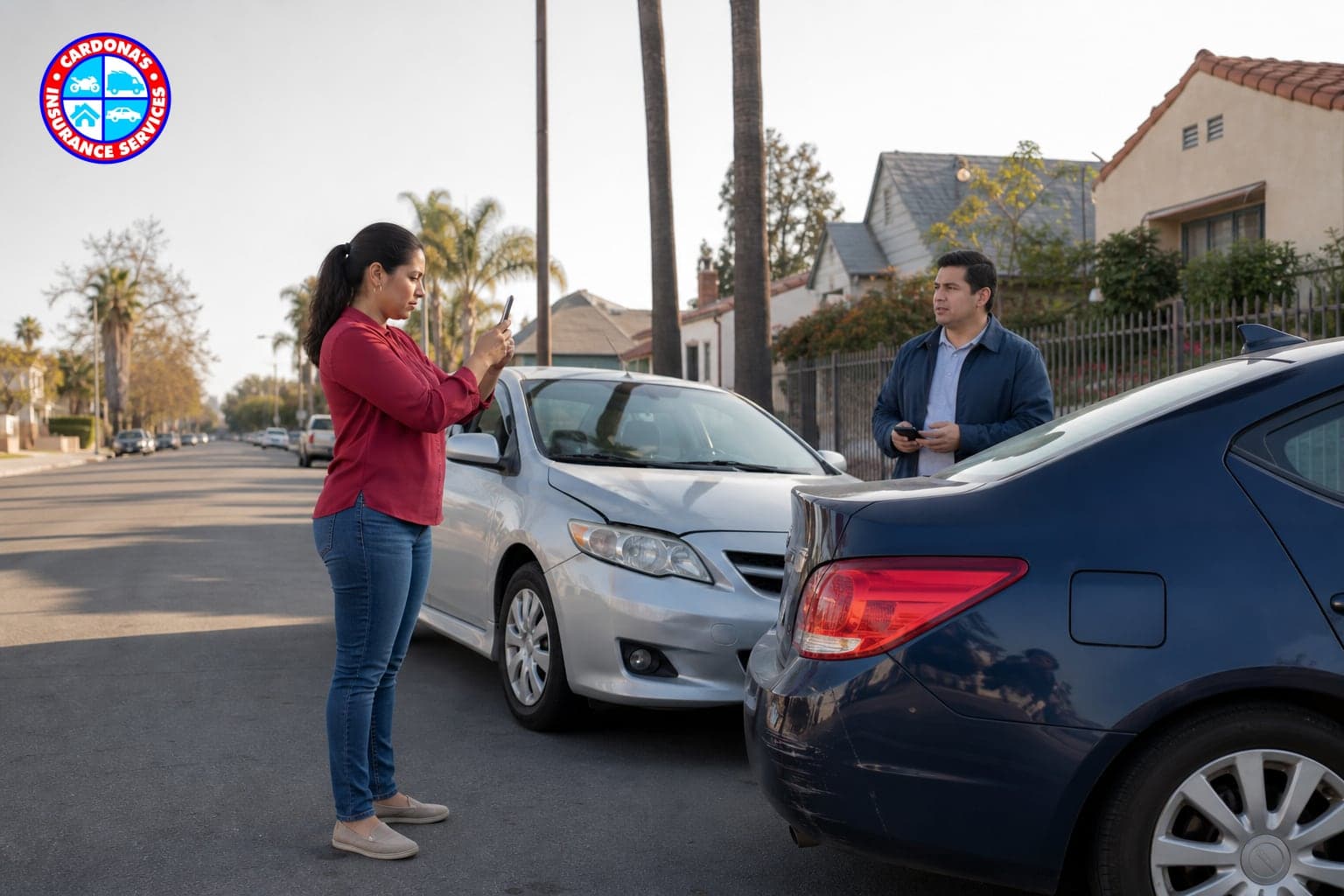
Before an accident, save your insurer's claims contact and policy number. After a loss, prioritize safety, obtain available driver and vehicle information, document the scene when safe, and promptly follow reporting instructions. Keep medical, repair, and communication records together. Bring your current policy to Cardona's for a coverage review now rather than discovering unanswered questions during a claim.
- Selected injury and property-damage coverages
- Limits, deductibles, and any rejection documents
- Claims contact and written reporting instructions
Common questions
Does liability insurance alone protect my own injuries?
Do not treat liability coverage as a substitute for reviewing protection for you and your passengers.
Is every hit-and-run covered the same way?
No. Ask which coverage applies and what conditions and documentation it requires.