
Liability vs. full coverage in California: what does each quote actually protect?
Liability addresses injuries or property damage you cause, while collision and comprehensive address covered damage to your own car after the deductible.
Key takeaways
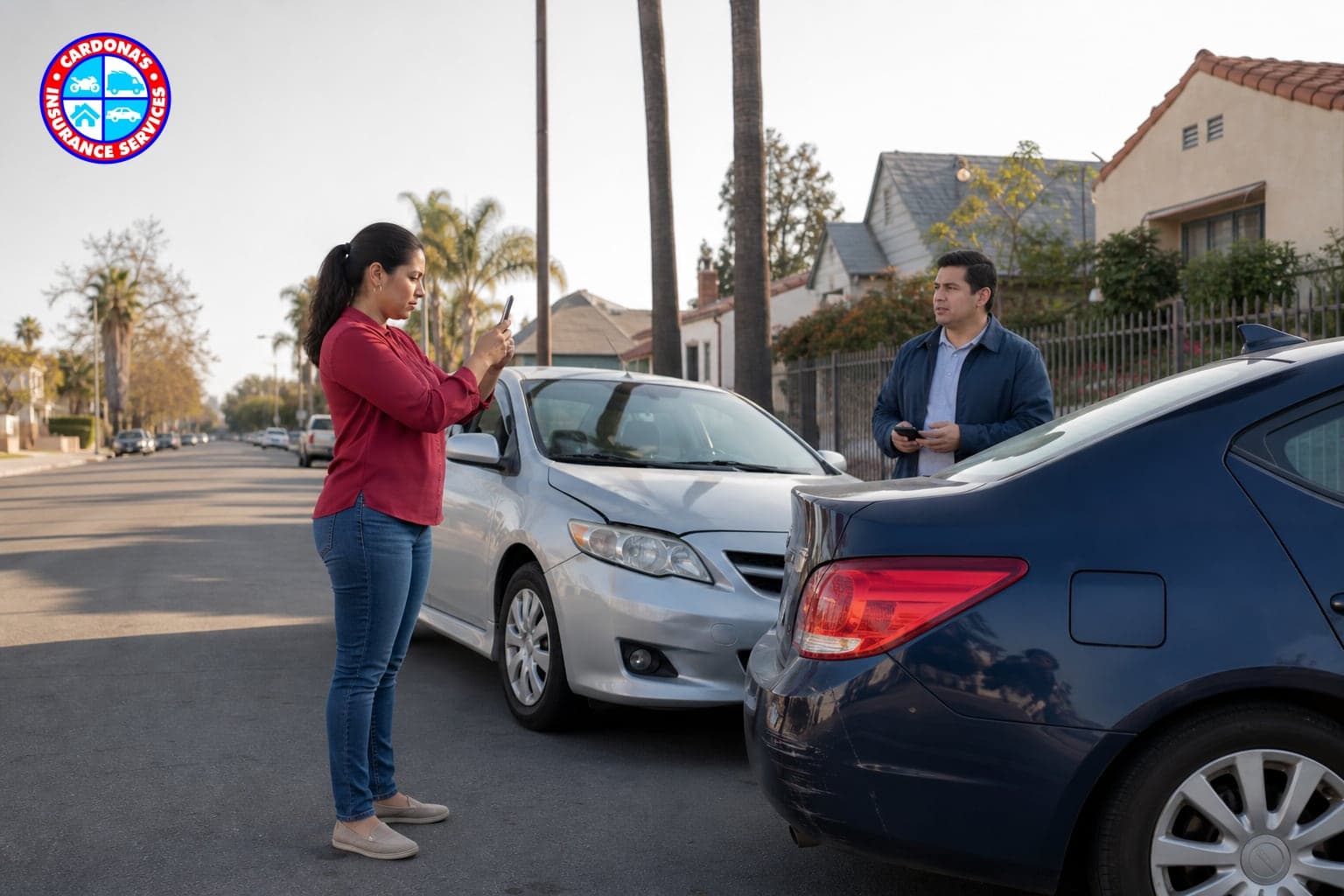
California's required liability coverage pays for covered injury or property damage you cause to other people, up to the policy limits.
Collision and comprehensive are separate physical-damage coverages for your own vehicle and usually apply after a deductible.
“Full coverage” is informal shorthand, not a promise that every loss, driver, vehicle, rental, tow, or gap is covered.
Liability protects against damage you cause to others
California requires financial responsibility, most commonly through auto liability insurance. The Department of Insurance lists current standard-policy minimums of $30,000 for injury or death to one person, $60,000 total for more than one person, and $15,000 for property damage.
Those are minimum limits, not estimates of what a serious crash costs. Liability does not pay to repair your own car or cover injuries to you or members of your household; ask separately about higher limits, uninsured or underinsured motorist, and medical payments.
Collision and comprehensive protect the covered vehicle differently
Collision generally pays for covered damage to your car from contact with another vehicle or object. Comprehensive generally pays for covered non-collision events such as theft, fire, vandalism, windstorm, flood, or falling objects.
Both usually have a deductible, which is your part of the covered loss before the insurer pays. A $500 and $1,000 deductible can produce different premiums and very different out-of-pocket costs after the same damage.
- Liability limits for bodily injury and property damage.
- Collision and comprehensive deductibles for each vehicle.
- Uninsured or underinsured motorist and medical-payments options.
- Rental reimbursement, towing, custom equipment, and gap questions.
Choose from the written coverage, not the label
“Full coverage” does not have one universal policy definition. Ask for the declarations page or written quote showing every coverage, limit, deductible, driver, and vehicle, and compare the same choices between companies.
A lender or leasing company may require collision and comprehensive, but its requirement does not decide the right liability limit or every optional coverage. For an older paid-off vehicle, compare its current value, deductible, premium savings, and the cost of replacing it without insurance before removing physical-damage coverage.
Common questions
Is full coverage a specific California policy?
No. It is informal shorthand, often for liability plus collision and comprehensive. Confirm every written coverage, limit, deductible, driver, and vehicle.
Does liability repair my own car after an at-fault crash?
No. Liability addresses covered injury or property damage you cause to others. Collision is the coverage generally used for covered collision damage to your own car, subject to its deductible and terms.