
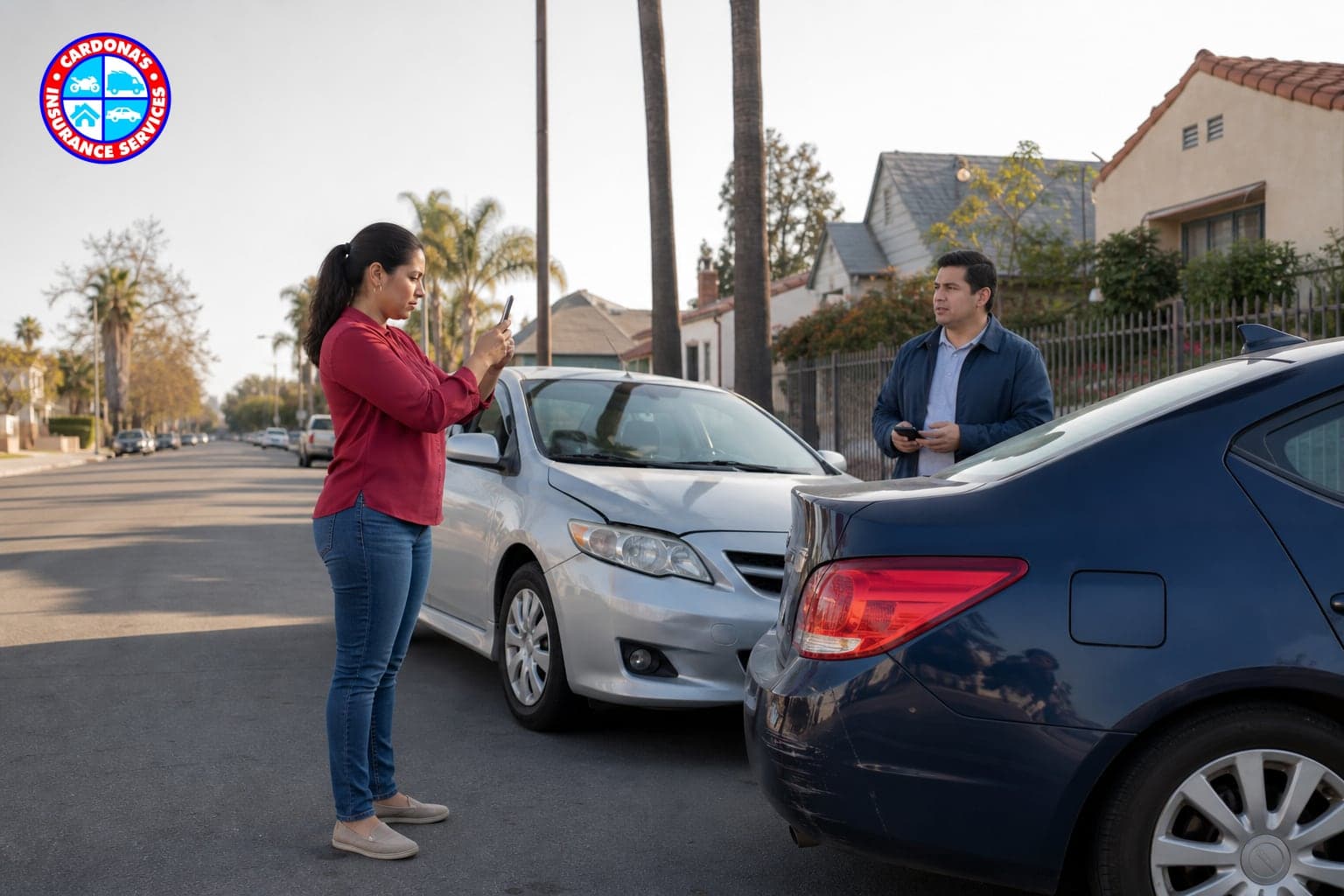
If your car needs repairs after an accident, who pays for a rental?
Check rental reimbursement before an accident: daily limits, maximum benefits, authorization, and rental-car insurance are separate questions.
Key takeaways
Verify that rental reimbursement is included.
Ask about both daily and total benefit limits.
Rental reimbursement is different from insuring the rented car.
Look for the actual coverage on your policy
Do not assume that collision coverage includes a rental car. Review the declarations page for rental reimbursement and ask what kind of covered loss activates it. If you are relying on another driver's insurer, confirm its authorization rather than assuming it has accepted responsibility. Before booking, ask who arranges the rental and how payment will work.
Compare the allowance with a real transportation plan
Ask for the daily limit, total limit, and any time restrictions. As an example, a $40 daily allowance does not automatically pay a $65 daily rental bill. Taxes, fees, deposits, vehicle availability, and repair delays also deserve questions. Choose a plan for the portion you might have to pay yourself instead of assuming every day of a repair will be reimbursed.
Check protection for the rental vehicle itself
Paying the rental bill and covering damage to the rental are different issues. The California insurance department recommends verifying rental-car coverage, including differences with vehicle-sharing services. Bring the proposed rental agreement and your policy to the discussion. Cardona's can help you review questions before a loss; after a claim, follow the insurer's instructions and save authorizations and receipts.
- Rental reimbursement limit and covered-loss trigger
- Approved rental dates and payment method
- Coverage for damage to the rented vehicle
Common questions
Does this pay for a rental during routine maintenance?
Do not assume so. Ask what covered events activate the benefit; routine maintenance is a different situation.
Can I rent any car and send in the bill?
Confirm authorization, limits, and reimbursement requirements first.