After a car accident in California: what to document, report, and ask your insurer
A calm checklist for the accident scene, the insurance claim, and California's separate SR-1 reporting rule.
Key takeaways
Stop, check for injuries, call 911 when needed, and move vehicles only when it is safe and lawful to do so.
Exchange driver, vehicle, and insurance details; photograph damage, road conditions, and traffic controls; and save witness information.
DMV requires an SR-1 within 10 days when anyone is injured or killed or property damage is over $1,000, even if police or an insurer already received a report.
Protect people first, then document the facts
Stop immediately and check whether anyone is hurt. Call 911 for injuries and notify police. Move out of traffic only when it is safe and appropriate, and do not argue or sign a statement about fault at the scene.
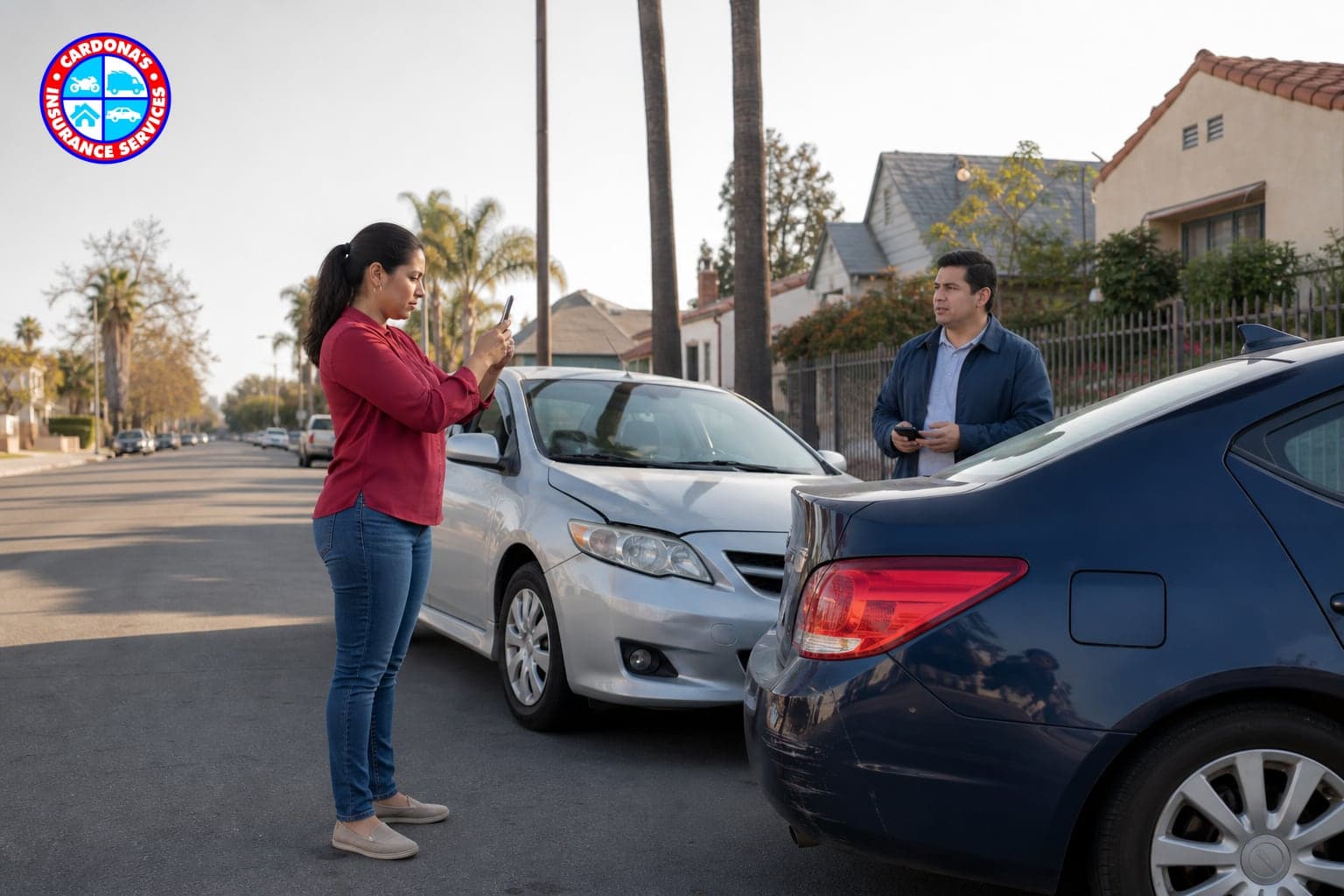
Exchange accurate information with the other driver and collect what your insurer will need. Photos can preserve details that are easy to forget once vehicles move or traffic changes.
- Driver names, addresses, phone numbers, and license numbers.
- License plates, VINs, registrations, and insurance details.
- Photos of vehicle damage, the wider scene, traffic controls, and road conditions.
- Names and contact information for passengers and witnesses.
Notify the insurer and keep one claim file
The California Department of Insurance advises drivers to notify their agent or insurance company promptly. Give the facts you collected, ask for the claim number and adjuster's contact information, and write down each conversation and next step.
Keep photos, estimates, towing or storage receipts, rental questions, and messages together. Ask which coverages and deductibles may apply before authorizing repairs or assuming a rental car is included.
Check whether DMV needs an SR-1
California DMV's current accident-reporting page says an SR-1 must be submitted within 10 days if anyone is injured, no matter how minor the injury, if anyone is killed, or if property damage is over $1,000. The report is required whether or not you caused the collision.
An SR-1 is separate from reports made to police, CHP, or an insurance company. You, your insurance agent or broker, or a legal representative may submit it, but do not assume another report automatically completes this DMV requirement.
Common questions
Does a police or insurance report replace the California SR-1?
No. DMV says the SR-1 is required in addition to any report made to police, CHP, or an insurance company when the injury, death, or property-damage threshold is met.
When is the SR-1 deadline?
DMV says it must be submitted within 10 days when anyone is injured or killed or property damage is over $1,000. If the damage amount or an injury is uncertain, check promptly instead of waiting.